About Atelier
Cloth, drawn on and worked by hand.
We are a small womenswear house working in lawn, organza, chiffon, and silk — printed, embroidered, and finished by hand in Pakistan.
What follows is how a piece actually gets made, and what that means for the one you receive: why colours shift between lots, why sold-out sizes stay on the page, and why bridal takes as long as it does.
- pieces in the collection
- 26pieces in the collection
- couture pieces, made to order
- 8couture pieces, made to order
- branches
- 6branches
- cities
- 3cities
- We make fewer things, slowly. (current)
- It begins on paper.
- Cut in small runs.
- Natural fibres, dyed in lots.
- Finished by hand.
- Bridal is made to the wearer.
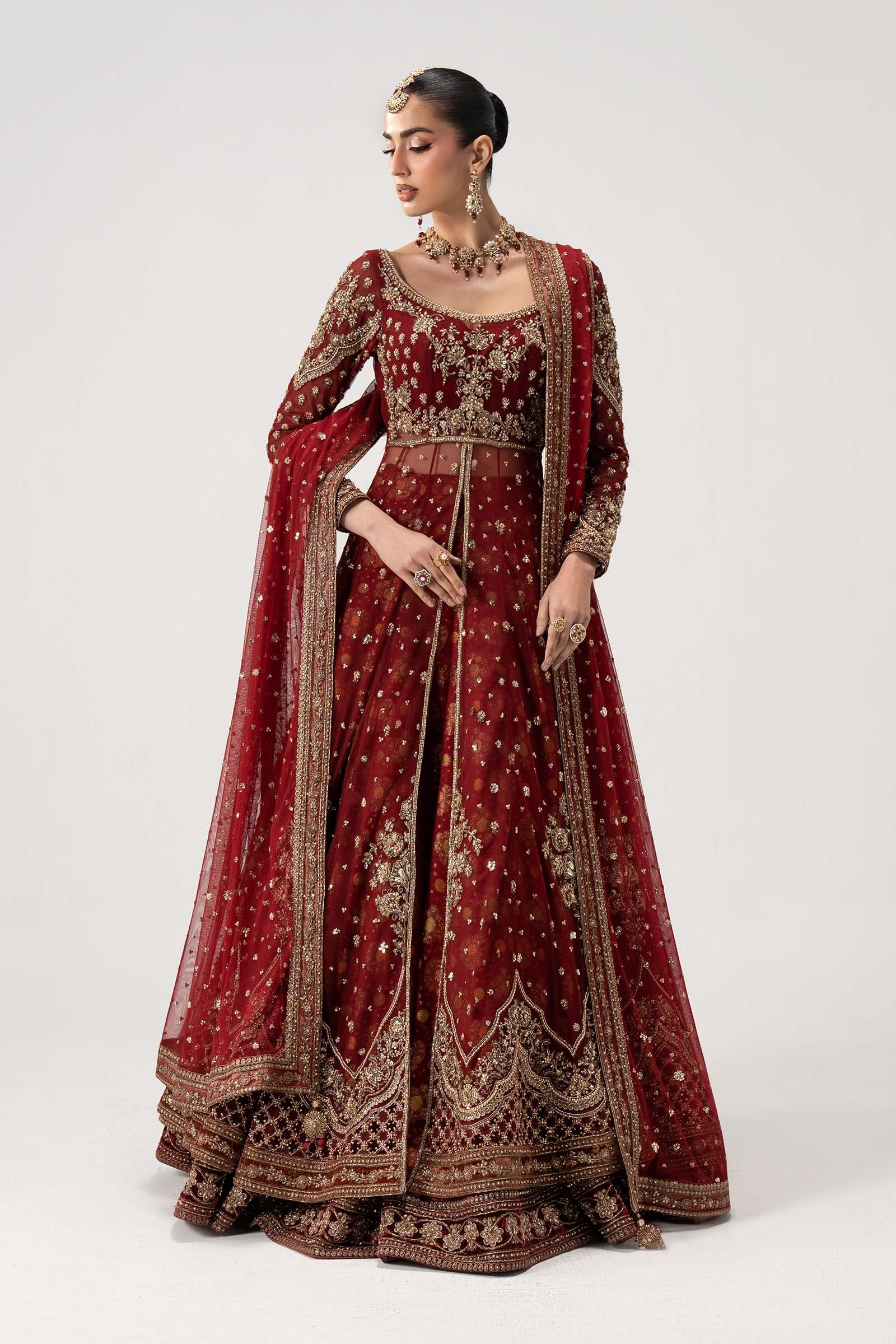
We make fewer things, slowly.
A season starts as a drawing rather than a trend report, and it stays a drawing until there is a cloth worth putting it on.
That means fewer designs than the shops around us, and fewer of each. It also means months between the first sketch and the rail — most of it spent on embroidery, which no machine we have found does as well as a hand.
Nothing here is designed to be replaced next season. If a piece is still being worn in five years we have done the job.
It begins on paper.
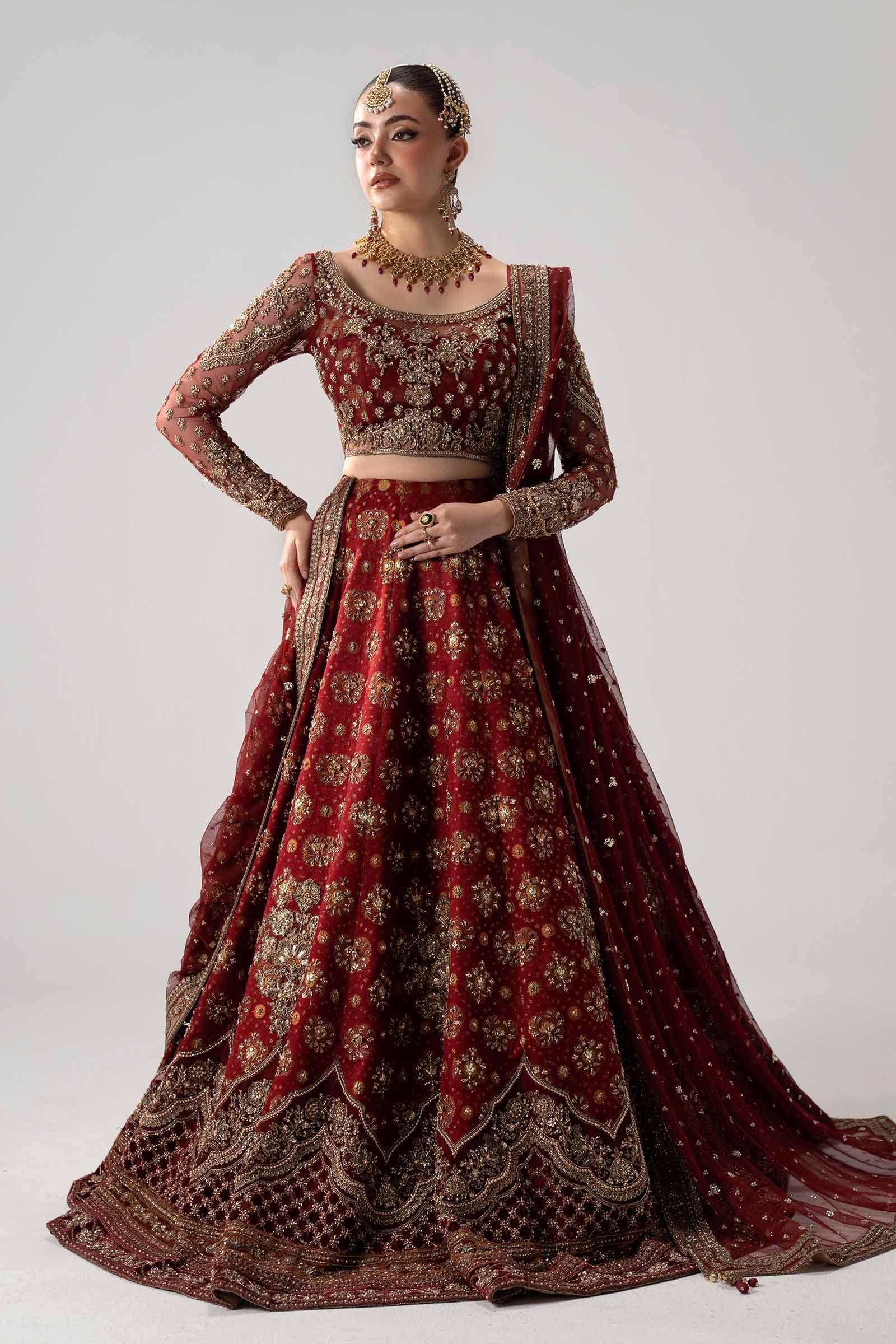
Pomegranates, marigolds, the geometry of a jali screen. Motifs are drawn at full size before anyone decides where on a garment they will sit, because a border drawn to fit a hem is a different thing from a border stretched to reach one.
Only once the drawing holds on its own does it go to separation — deciding which parts are printed, which are embroidered, and which are left alone.
Cut in small runs.
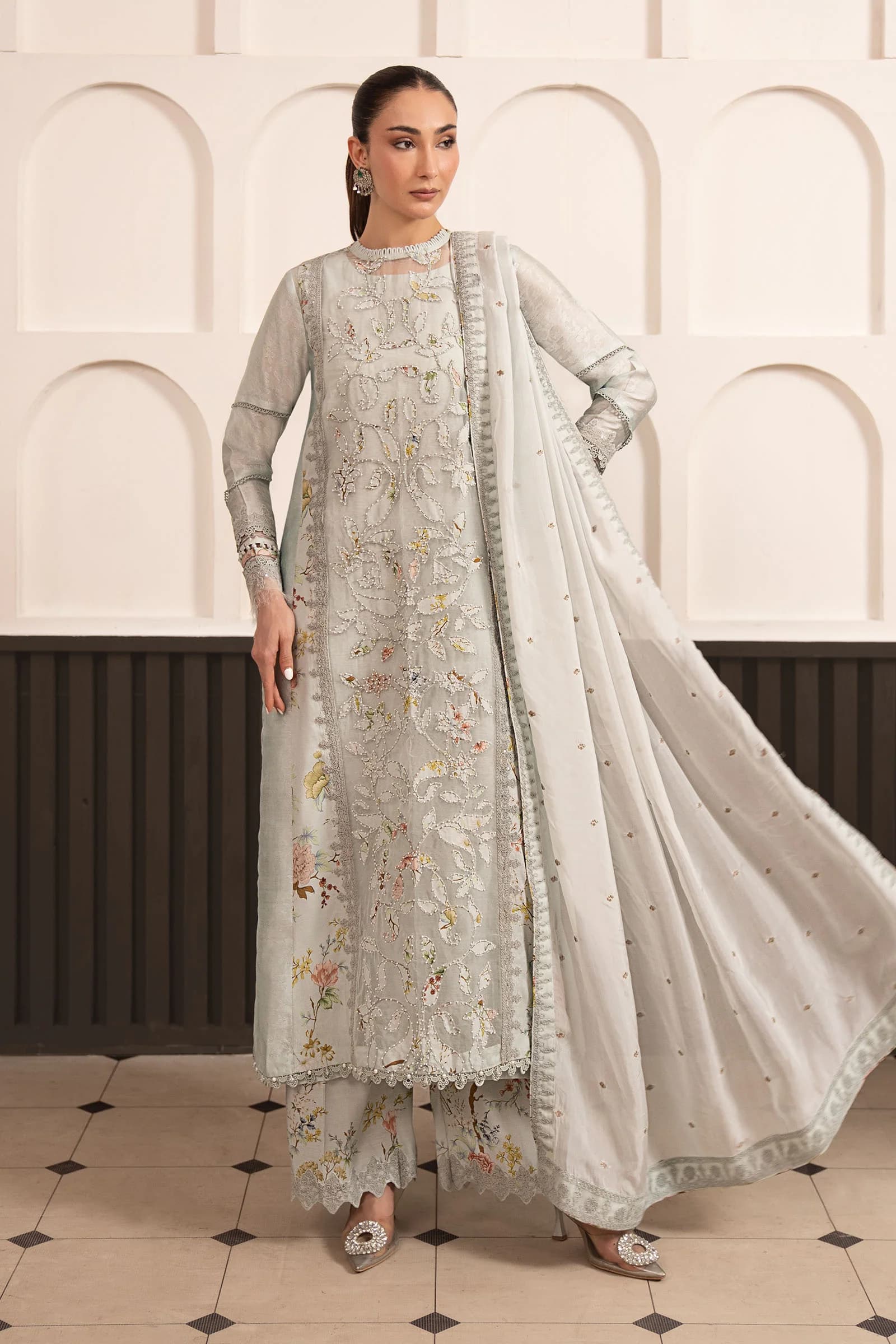
Each design is cut in a limited quantity rather than restocked indefinitely. When a colourway sells through it is usually gone.
That is why sold-out sizes stay visible on a product page instead of quietly disappearing — you should be able to see what existed, not only what is left.
It also means the shop is smaller than it could be. We would rather it be smaller.
Natural fibres, dyed in lots.
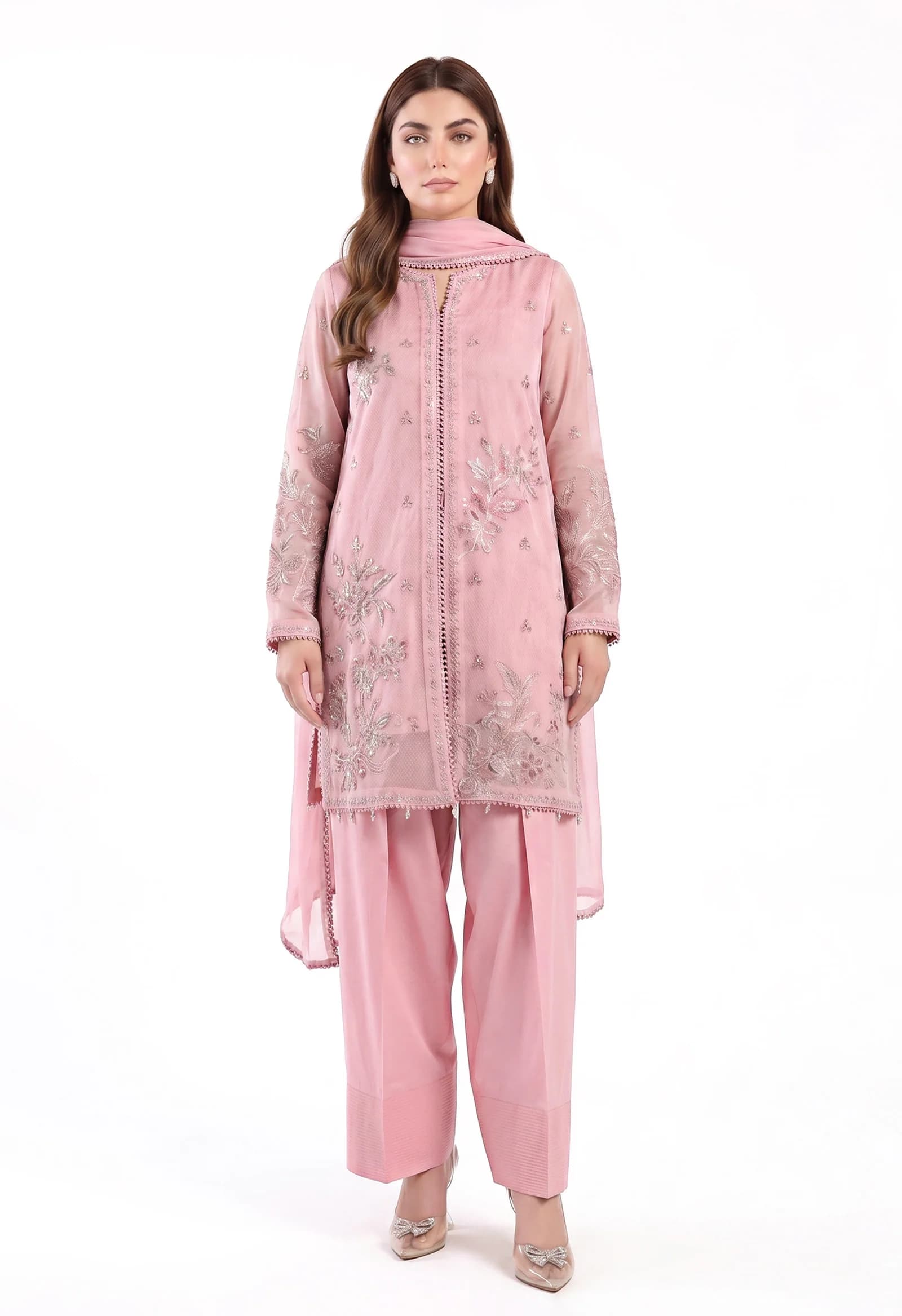
Lawn for the heat, organza where a shape needs to hold itself, chiffon where it should not, and silk where the drape matters more than either.
They breathe, and they take dye unevenly in ways that read as depth rather than fault. Colour shifts a little between lots because the lots are small.
We would rather tell you that than correct it out. It is on the product page and in the terms, not buried in a returns dispute.
Finished by hand.
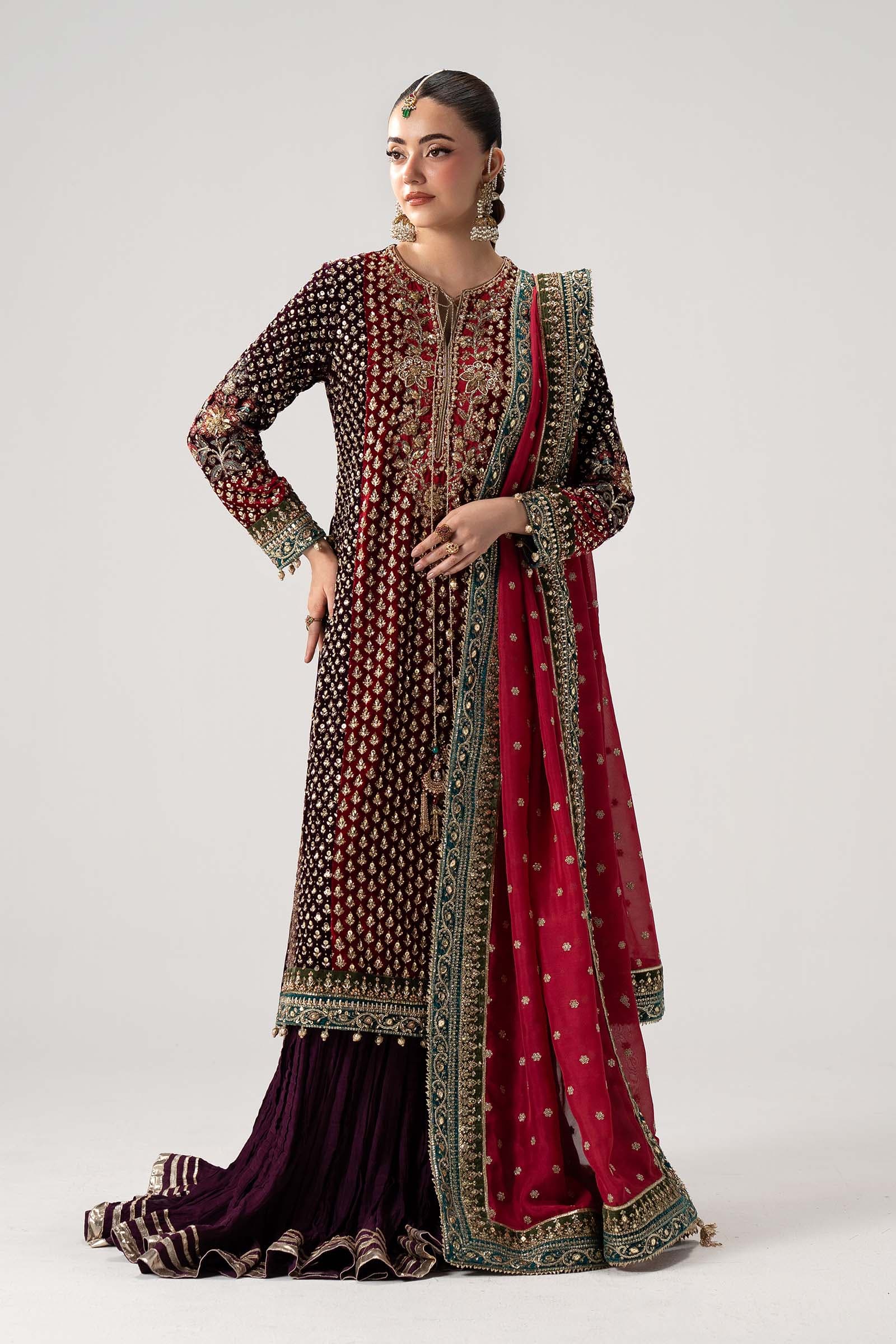
Embroidery, embellishment, and appliqué are worked by the karigars who have done it for years — thread first, then sequins, then the appliqué that sits over both.
This is the longest part of the process and the least mechanised. A heavily worked panel can take weeks on its own.
No two pieces come out identical, and the variation between them is the point.
Bridal is made to the wearer.
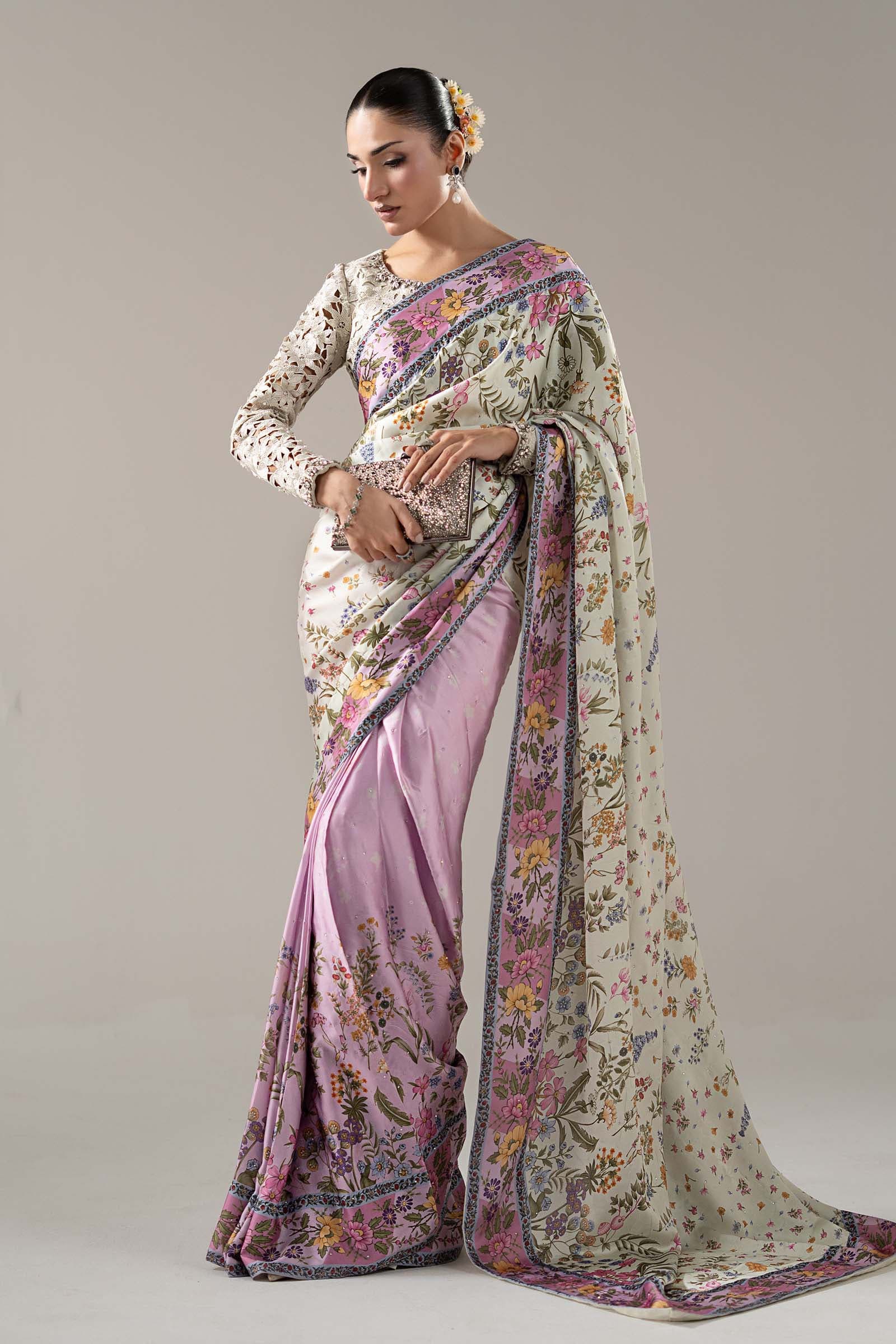
Couture and bridal are not cut to a size chart. Measurements are taken, the pattern is drafted to them, and the piece is fitted more than once before the embroidery is committed.
Because of that they are made to order rather than stocked, and the timeline depends on the work and the season rather than on a warehouse.
They also cannot be exchanged once begun, which is why we would rather you came in and saw the cloth first.
In the cloth
Words that turn up across the shop, in case they are new to you.
- Lawn
- A fine, plain-weave cotton. Light enough for heat, opaque enough to print on heavily. The backbone of a Pakistani summer wardrobe.
- Organza
- Sheer and crisp. It holds a shape away from the body, which is why it carries structured dupattas and sleeves.
- Chiffon
- Sheer and soft, the opposite of organza. It falls rather than stands, and takes embroidery without stiffening.
- Karigar
- The craftsperson who does the hand embroidery and embellishment. The name for the skill, not the machine.
- Dupatta
- The long scarf worn with a kameez. Often the most heavily worked piece in a three-piece set.
- Unstitched
- Fabric sold by the set — shirt, trouser, and dupatta — for your own tailor to cut. Once cut it cannot be exchanged.
Come and see it
Photographs only get you so far with embroidery. We have 6 branches across Karachi, Lahore, Islamabad — bring a piece to the light and decide there.
Find a storeAsk us anything
Sizing, fabric, a bridal commission, or where an order has got to. Write to help@atelier.example or call +92 42 111 000 000.
Contact us